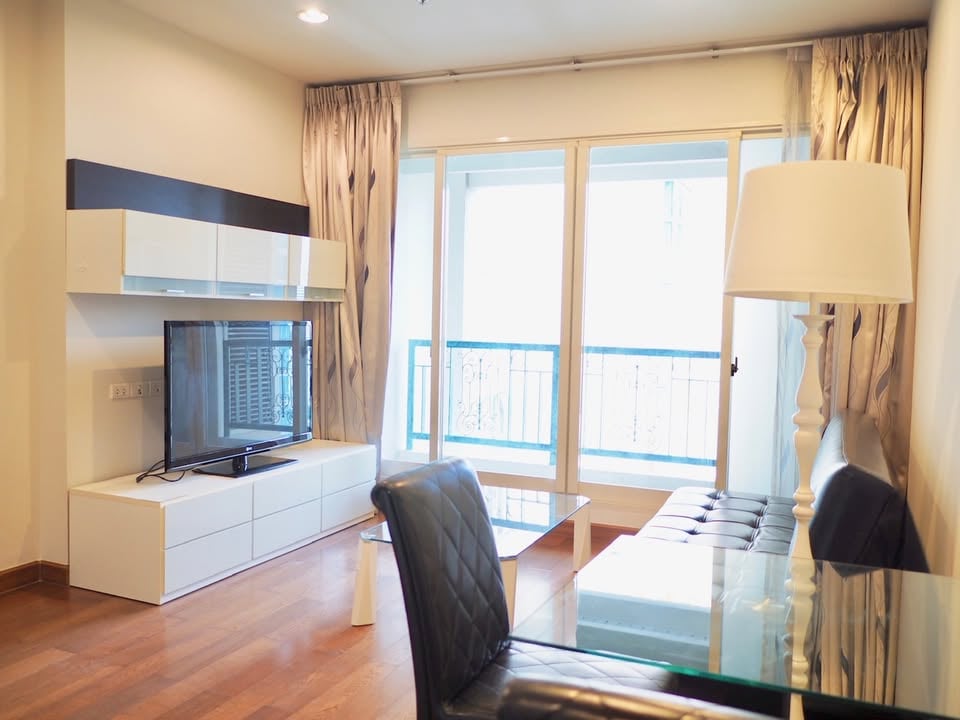
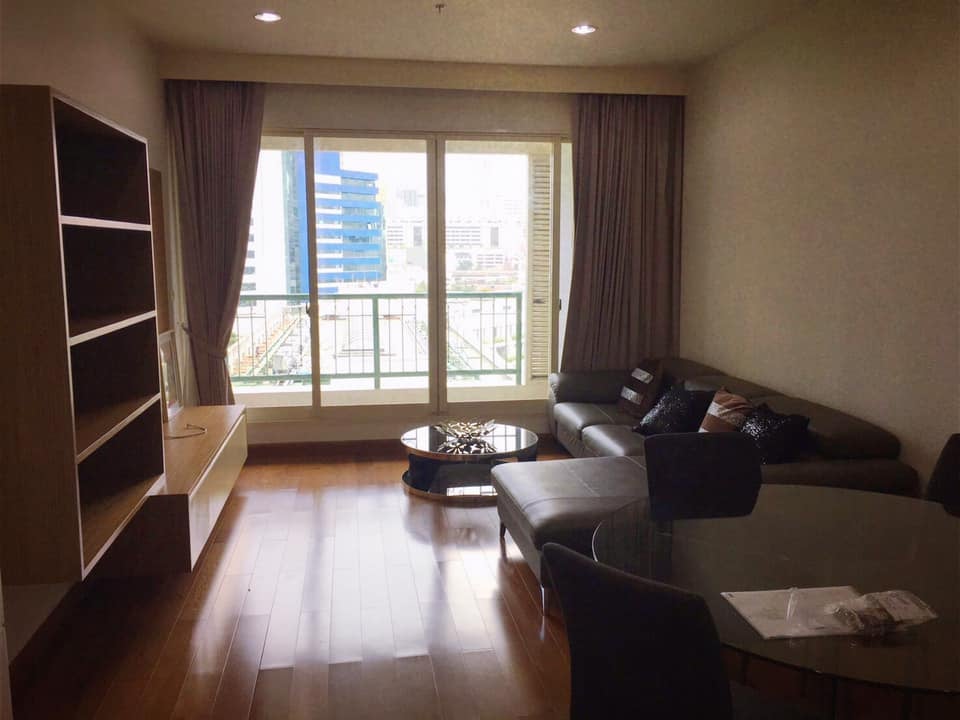
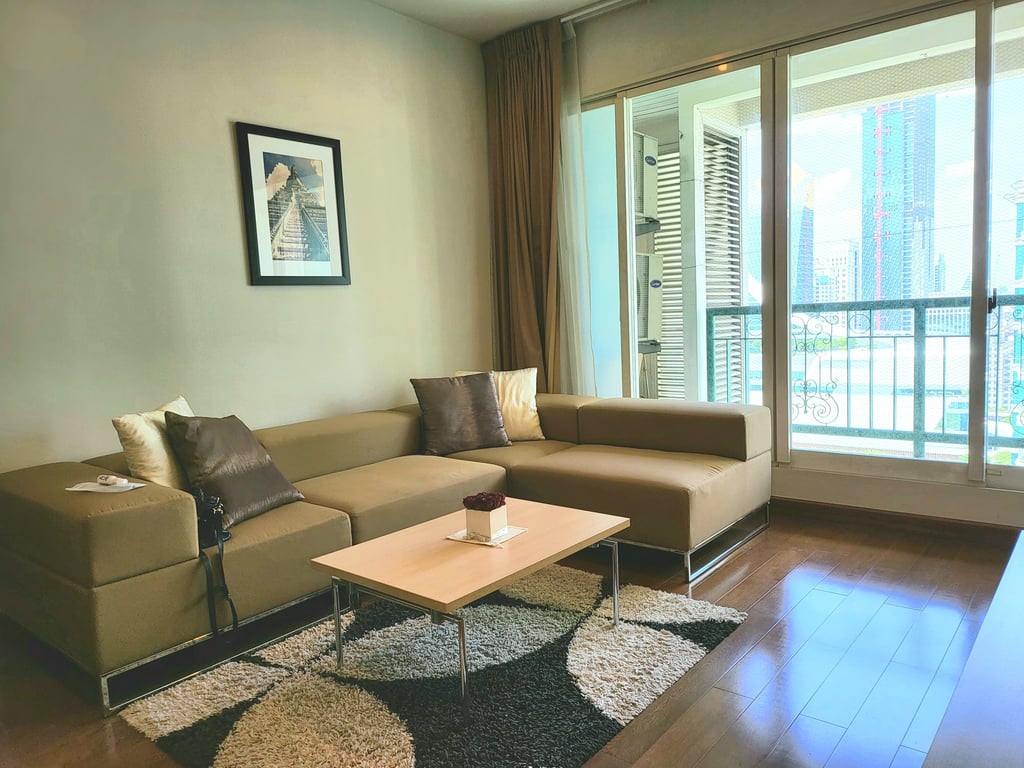
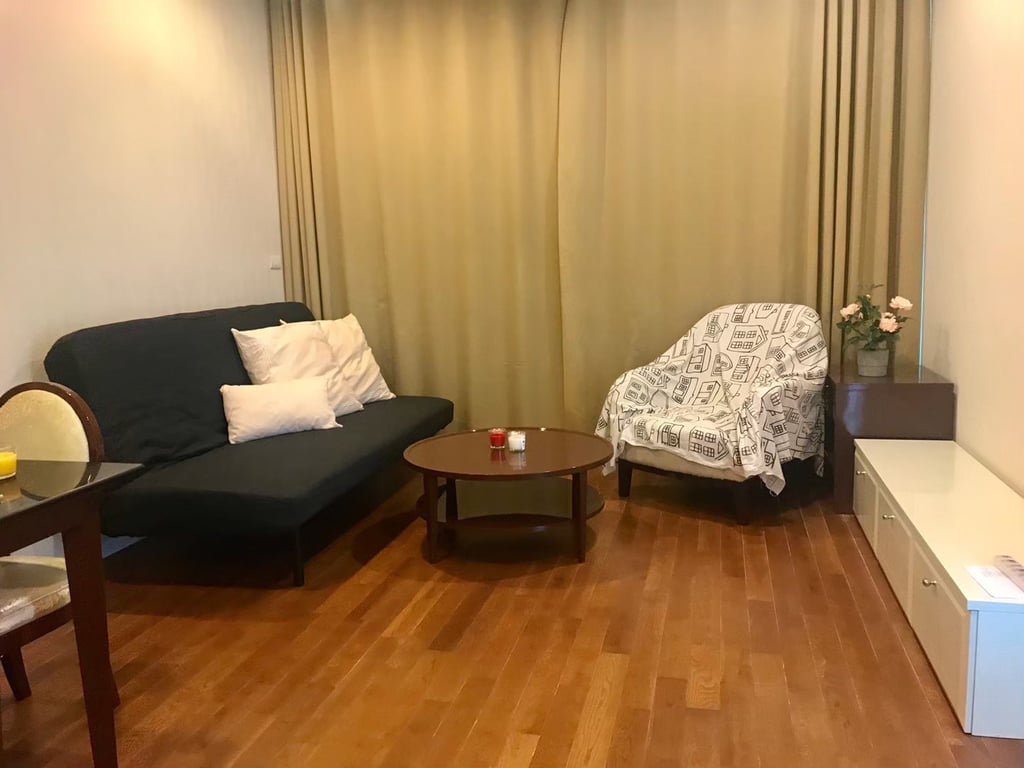
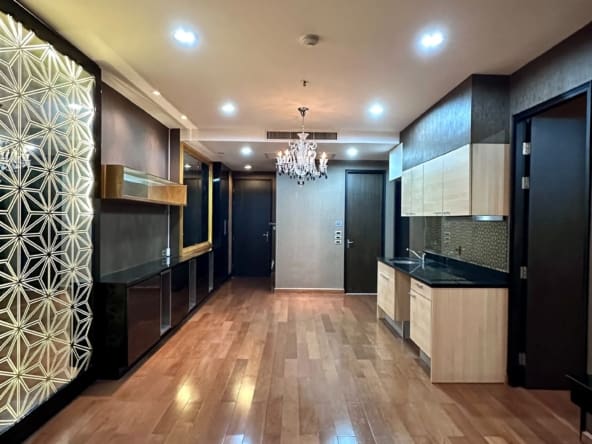
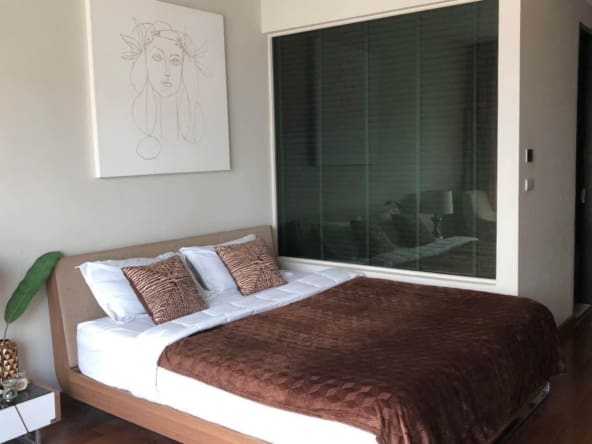
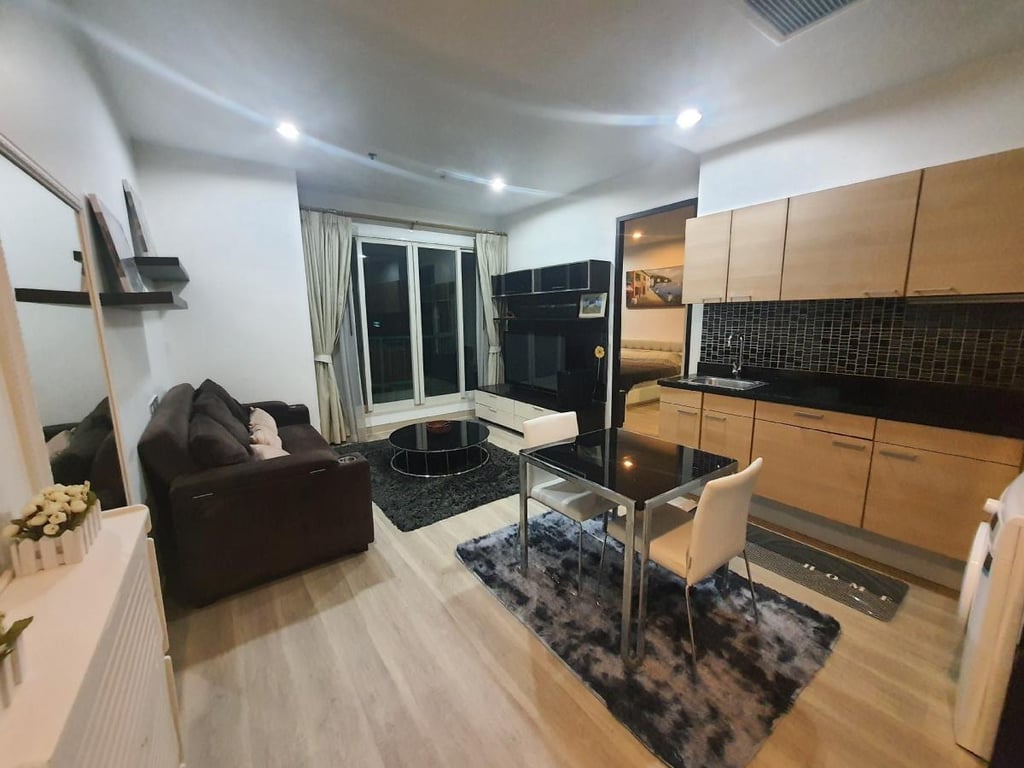
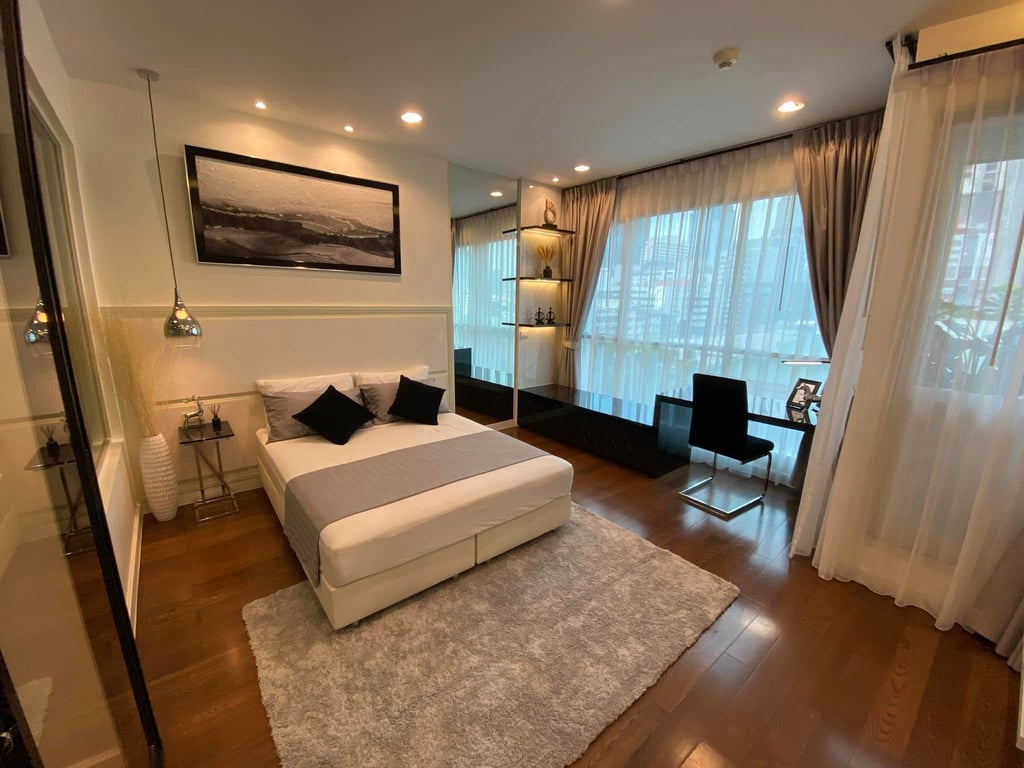
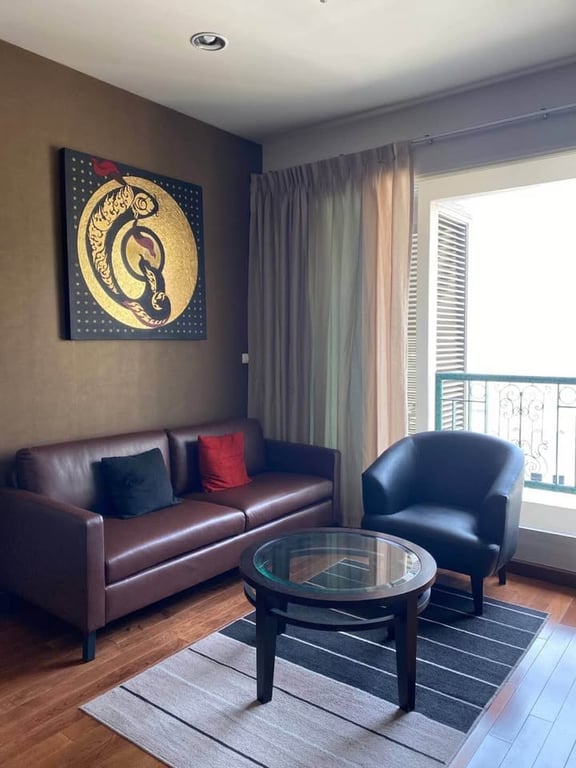
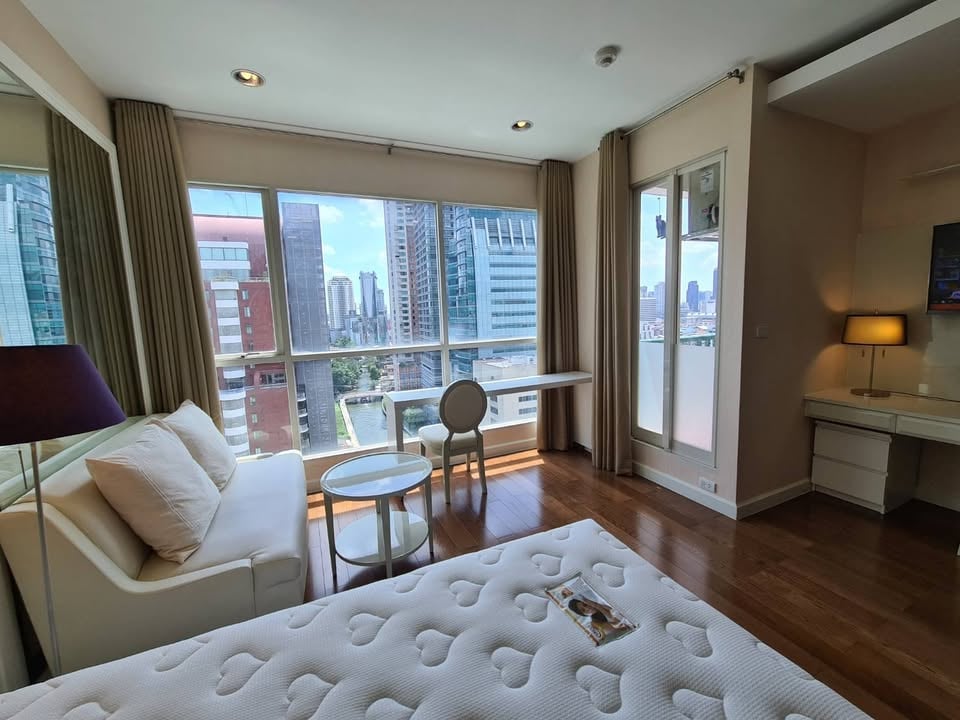
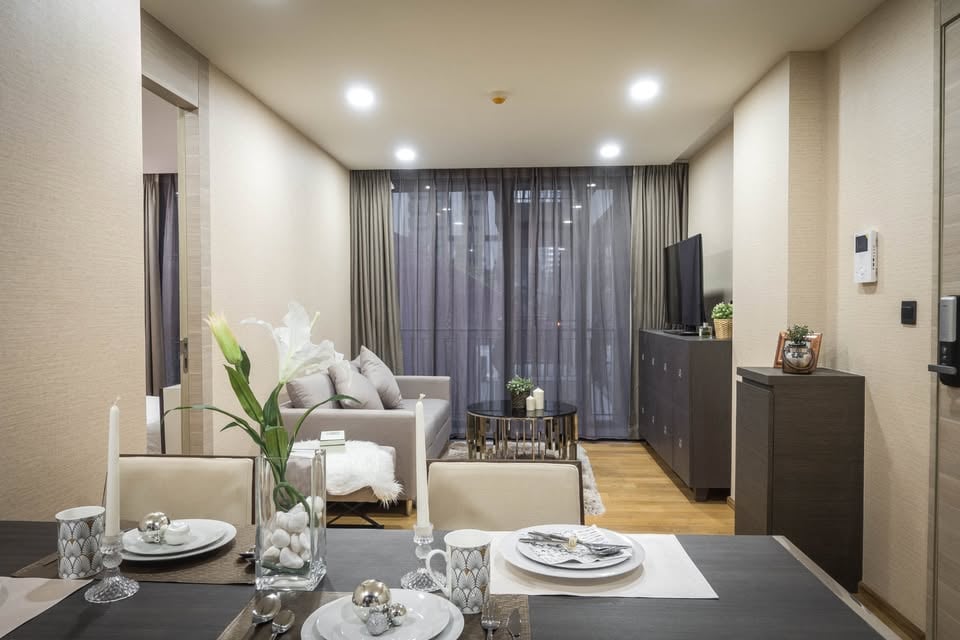
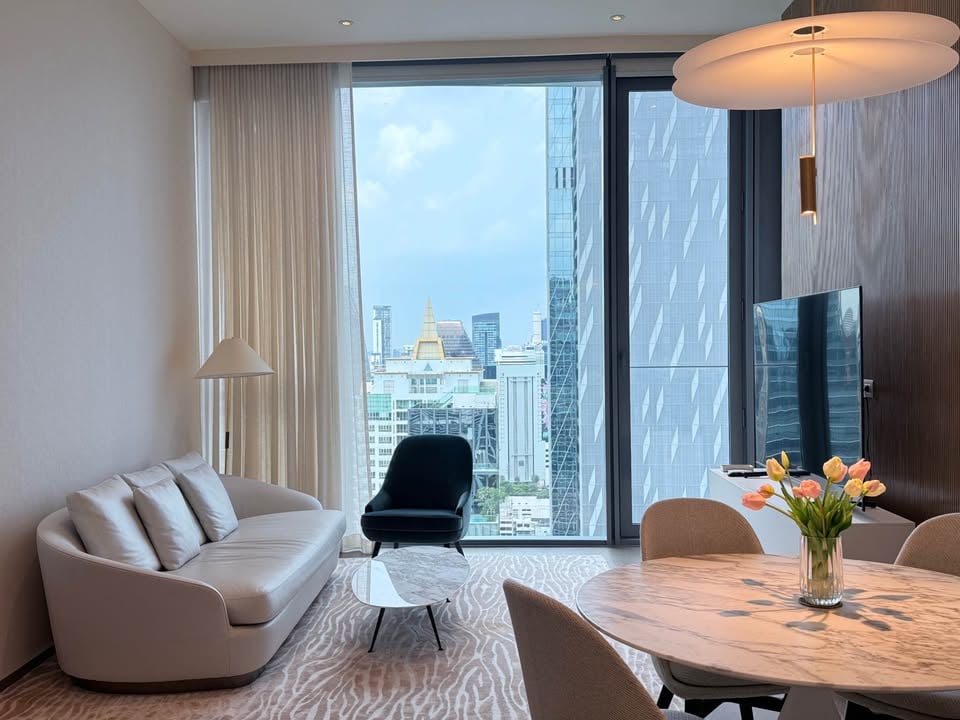
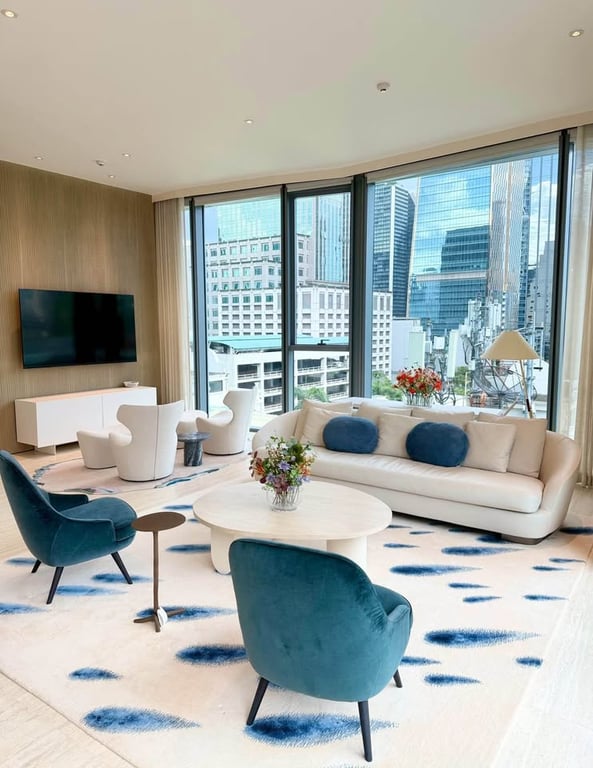
The Address Chidlom
The Address Chidlom
Research the condominium or property project named “[PROJECT NAME]” extensively using reliable and up-to-date online sources, including the developer’s official website, reputable property portals, maps, transport information, and credible local-area references.
Then write a polished, original English property overview suitable for a professional real-estate website and international buyers or tenants.
Research requirements:
- Verify all factual information using multiple credible sources whenever possible.
- Confirm the project’s location, developer, completion year, building details, facilities, nearby transport, important destinations, and neighbourhood characteristics.
- Never invent, estimate, or assume facts that cannot be verified.
- Do not mention an exact walking distance, travel time, number of floors, number of units, completion date, or facility unless reliably confirmed.
- Exclude uncertain, contradictory, outdated, or unavailable information.
- Do not copy wording from any source or from other property descriptions.
- Do not include prices, available units, investment returns, guarantees, citations, source names, URLs, disclaimers, or calls to contact an agent unless specifically provided.
- Avoid exaggerated or unverifiable claims such as “the best,” “unparalleled,” or “guaranteed returns.”
- Do not use repetitive expressions, generic filler, or the same wording as the example supplied.
Writing requirements:
- Use natural, professional English that meets international real-estate marketing standards.
- Make the description persuasive but factually accurate.
- Vary sentence structure and vocabulary throughout.
- Explain how the project’s design, facilities, location, transport connections, and surrounding amenities may benefit residents.
- Tailor the tone and selling points to the actual property instead of using a generic template.
- Write approximately 600–900 words, depending on how much verified information is available.
- Use the project’s official English name consistently.
- Create a distinctive, project-specific main heading.
Structure:
1. One `
` introducing the project and its principal lifestyle or location advantage.
2. One or two introductory `
` paragraphs.
3. An `
` section covering the project’s facilities and residential experience.
4. A short introductory `
` followed by a `
` containing relevant facilities.
5. An `
` section covering location and transport connectivity.
6. A short introductory `
` followed by a `
` containing verified transport links and major destinations.
7. An `
` section covering nearby lifestyle conveniences, such as shopping, dining, education, healthcare, business districts, parks, or entertainment.
8. A short introductory `
` followed by a `
` containing only relevant and verified nearby places.
9. An `
` section explaining who the project may suit and why it stands out.
10. One or two concluding `
` paragraphs summarising its residential appeal without making unsupported investment claims.
HTML requirements:
- Return only the completed HTML content.
- Do not include Markdown, code fences, explanations, notes, research summaries, citations, URLs, metadata, or any text outside the HTML.
- Use only these HTML tags: `
`, `
`, `
`, `
- Use `` selectively for project names, facility names, transport stations, neighbourhoods, and important nearby destinations.
- Every list item must follow this format:
`
Feature or place: Concise, useful explanation.`- Do not use inline CSS, classes, IDs, tables, emojis, `
` tags, or unnecessary attributes.
- Use properly nested, valid, clean HTML.
- Do not place the entire heading inside `` tags.
- Do not add empty sections. If reliable information for a section is unavailable, adapt or omit that section.